Garden Pavers: Walkway Ideas and Design Tips for LA Yards

Updated: 5 days ago
A dusty dirt path through a sunny Los Angeles backyard ruins your landscape and your shoes. Laying down a solid, stylish walkway changes how you use your outdoor space every single day.
Garden pavers are the absolute best hardscaping option for Southern California homeowners who want to build stylish, safe walkways throughout their private, scenic, and sunny outdoor spaces. These strong, interlocking building blocks resist intense local heat and clay soil far better than standard poured concrete, which often cracks under the hot summer sun. Research from the University of Florida Extension shows that well-designed garden walkways also prevent harmful soil compaction and protect your small plants from being trampled by your guests. By choosing high-quality stones and expert hardscape installation, you can build a stunning, durable yard path that boosts your home value and handles your outdoor lifestyle with ease.
But how do you pick the right layout, style, and size of stones for your unique home and garden? In the sections that follow, we break down the material choices, drainage, and design steps that turn a plain yard into a beautiful, functional outdoor space.
Schedule a free garden paver design consultation for your Los Angeles yard today. Call LevelWorks at (855) 202-2015 to get started.
Why Garden Pavers Make the Best Walkway Material
A well-planned path does more than lead people through a yard. It shapes how you use your outdoor space and keeps the rest of the landscape healthy. When designing a paver walkway, choosing the right stone is the first key step to take. Choosing garden pavers offers great strength, drainage, and beauty for any yard.
Protection for Your Lawn and Plants
Walking on grass or soil can damage plants and lawns over time. Foot traffic packs the dirt down and blocks air and water from reaching plant roots. Well-built garden walkways prevent soil compaction and protect plants from being trampled. This helps your grass and flowers grow deep roots and stay green.
By giving people a clear place to walk, you keep your lawn and flower beds safe. Paths also keep your feet dry and clean when you walk through the garden after a rain or watering. Pavers provide a hard, level path that stays stable in any kind of weather. They do not get muddy or slick like bare dirt or gravel paths do during the wet winter months in Southern California.
Proper Width for Foot Traffic
A path must be wide enough to let people walk without feeling cramped. If a walkway is too narrow, people will step off the edge and pack down the nearby dirt. This defeats the main goal of having a hard path in your yard. It can also lead to worn spots in your grass right next to your new pavers.
For a path where two people can walk side by side, make sure the width is at least three feet. This width lets you walk with ease and matches standard yard layouts. It also leaves room for you to push a cart or carry garden tools without bumping into plants. If you only plan for one person to walk at a time, you can make it less wide. But three feet remains the best choice for most main paths.
Effective Slope and Drainage
Water must not pool on top of your walkway. Standing water can make the path slick and damage the stone or brick over time. To avoid this issue, builders design paths with a very slight slope. This small slant helps water flow off the sides of the path instead of sitting in place and causing mold.
A slope of about two percent helps water run off the path. This slant is so small that you will not feel it when you walk. It works well with Los Angeles clay soils, which tend to hold water after a heavy storm. Pavers also have small gaps that let rain soak right into the soil.
Which Garden Paver Style Suits Your Los Angeles Yard?
Southern California homes have a unique style that blends indoor and outdoor spaces. We love sunny days, patio living, and beautiful yards with dry-climate plants. Choosing the right style of garden pavers can change how you use your entire outdoor space. If you are designing paver walkways for your home, picking a style is a key step.
Matching Material to Your Landscape Style
If you want a formal look, you can use brick, cut stone, or pervious concrete. Classic home styles like Spanish Revival or English Tudor match well with these clean lines. According to the University of Florida IFAS Extension, options like brick and cut stone are best for formal garden layouts. These choices give your front or back yard a neat, structured feel that will last for years.
If your yard has a more relaxed, natural feel, other options are a better fit. You might choose stepping stones, flagstone, or gravel. Research shows that flagstone, gravel, and mulch enhance the look of a natural or organic landscape style. These options blend well with dry-climate California gardens and let you build paths that wind past native plants and rock features.
Popular Choices for Los Angeles Homes
Concrete pavers are common in Los Angeles yards because of their strength and style. They come in many shapes, sizes, and colors, which makes them a flexible choice. Homeowners often choose them to match their outdoor living spaces, patios, or driveways. They handle heavy foot traffic well and are easy to maintain in our warm climate.
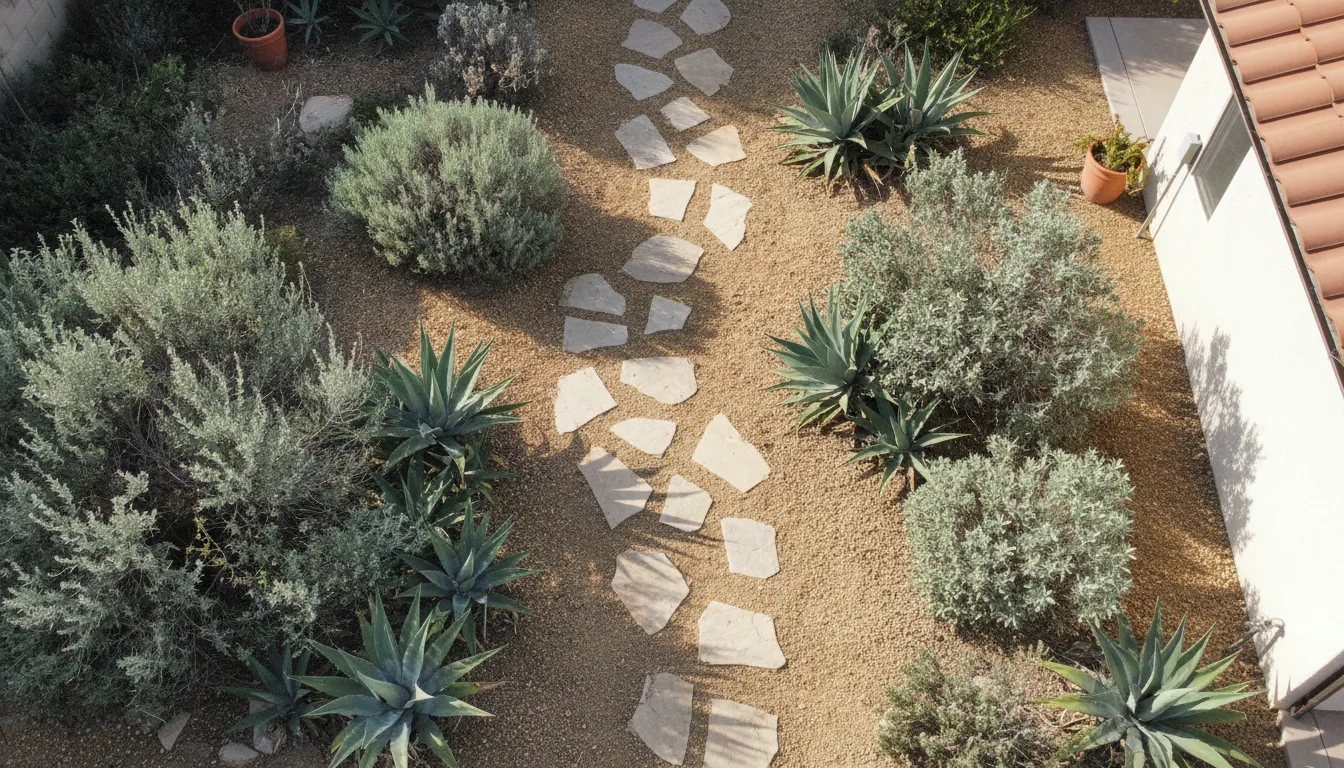
Flagstone and stepping stones are also great for peaceful garden paths. Flagstone has an organic shape that looks rustic, natural, and high-end. Stepping stones let grass or ground cover grow between each stone, which helps your path blend with a green lawn. Both of these classic choices work well with dry-climate plants like agave or sage.
Material | Best For | Look | Maintenance |
Concrete pavers | Heavy-traffic walkways and patio blends | Clean, contemporary, many shapes and colors | Low; reseal every few years |
Flagstone | Natural and rustic garden paths | Organic, high-end, earthy | Low; occasional brushing |
Brick | Formal layouts and borders | Traditional, structured, timeless | Low; weed control between joints |
Stepping stones | Lawn paths and casual strolls | Relaxed, allows ground cover between | Low; keep gaps clear of weeds |
Borders and Edge Accents
A sturdy border helps keep your garden pavers in place so they do not shift. It forms a clean, clear line between your pathway and your growing plants. You can use brick, concrete, or small stones to build these borders. A good border stops dirt, mulch, or gravel from washing onto your walkway during seasonal rains.
Edge accents also add a touch of style to your yard. You can choose a border that contrasts with your main pathway stones to create visual interest. For example, a dark brick border can frame light concrete pavers well. This simple design touch makes your new walkway look professional, complete, and custom made.
How Do Permeable Pavers Handle LA Clay Soil?
LA yards face a tough climate problem. Most of the year is dry, but winter storms can bring heavy downpours in a short time. Local soils often have high clay content. This dense clay expands when wet, meaning it cannot absorb sudden rainfall quickly. Water pools on the surface, which can flood lawns and damage plant roots. For local residents who invest in fine yards, standing water is a major threat.
Rain runoff also washes away dry soil and mulch. It creates muddy paths that are hard to walk on. Over time, standing water can seep under hard surfaces and wash out the subgrade. When the ground underneath shifts, stone paths can sink, sag, or shift out of place. To avoid these problems, smart yard designs must focus on drainage. This is why choosing the right type of stone or concrete is so important.
The Mechanics of Permeable Systems
Common garden walkways use solid concrete or mortared stone. These standard paths are solid, which means water cannot soak through them. During heavy rains, water flows off the hard surfaces and pools in low spots. This runoff can wash away soil and create muddy areas. To stop this damage, expert builders use permeable systems. You can manage storm water with permeable hardscaping surfaces for your garden.
These systems use special garden pavers with wide joints. Instead of mortar, the gaps between the stones are filled with small gravel. Underneath the pavers, a thick bed of crushed stone acts as a reservoir. When rain falls, it flows through the joint gravel and enters the stone bed. The water is held there until it can slowly soak into the clay soil below. This keeps your paths dry and prevents puddles from forming on your walkways.
Durability and Value for Los Angeles Yards
When you plan a fine yard, durability is as important as style. Poured concrete can crack when the ground shifts during dry and wet seasons. Permeable stone systems are much more flexible. Because the loose stones are not bound by rigid mortar, they can move slightly without cracking.
Working with a licensed builder ensures that your stone paths are built to last. For a lasting layout, hire an expert for your paver installation in Los Angeles. Expert crews will dig to the right depth and pack the base stone layers tightly. This keeps the path flat and stable for many years.
What Paver Pattern Suits a Los Angeles Yard?
Planning a path starts with your daily needs. A small trail through a flower bed may only need to be two feet wide. But you need more space for a main walkway to your door. As shown in outdoor walkway design guidelines, a path meant for two people to walk side-by-side should be at least three feet wide. This ensures everyone can walk with ease. You should also add a slight slope of about two percent to one side of the path to help water drain away. This simple slope keeps puddles from forming after a heavy rain.
Popular Layout Patterns for Garden Pavers
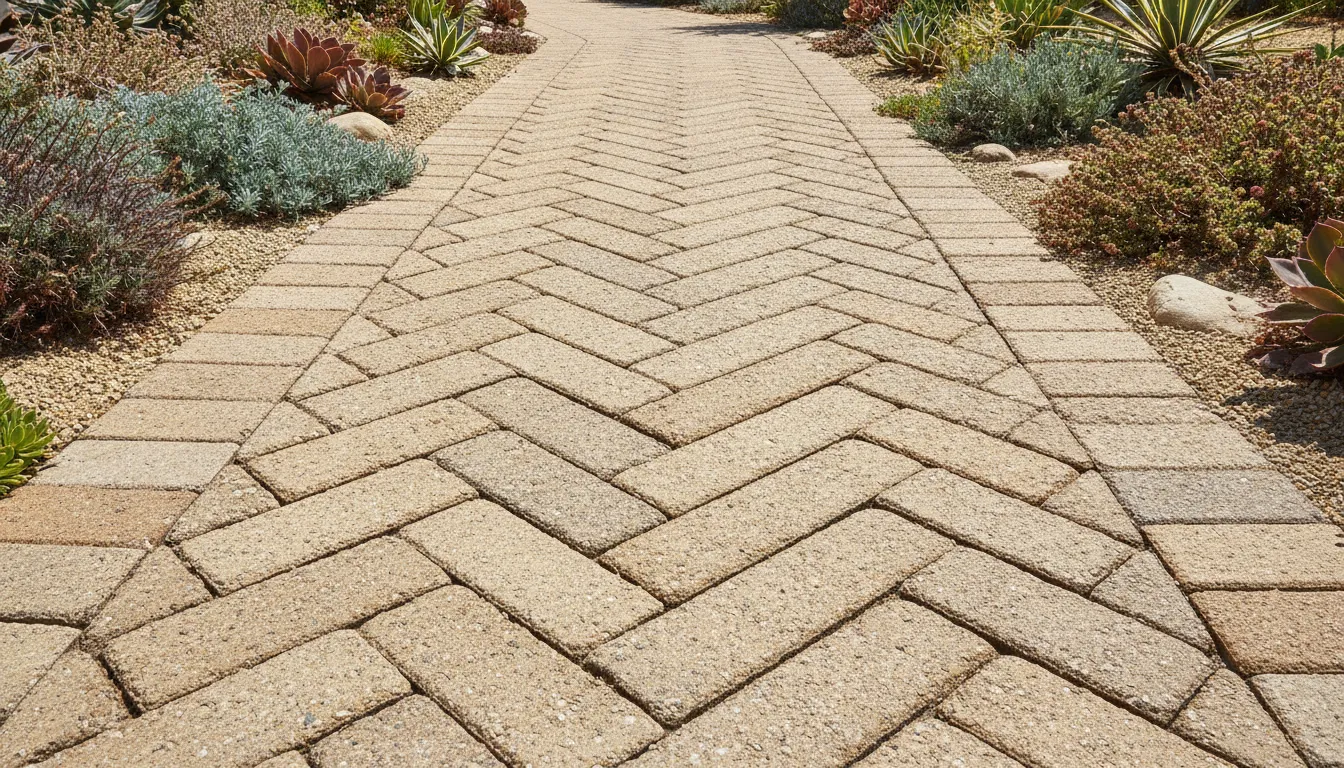
The pattern you choose changes how your yard feels. Straight lines give a modern and clean look. If you like a relaxed feel, try curved paths. You can lay garden pavers in many styles to match your home. A herringbone pattern is strong and handles heavy foot traffic well. A running bond layout is simple. If you want a cozy feel, try basketweave. Another great choice is a random mix. This layout uses different stone sizes for a casual look. Use our online tool to find the paver walkway cost before you start.
Five Steps to Design Your Garden Path
Follow a clear plan to build a path that lasts. Keep it simple. Here are five easy steps to layout your garden pavers.
- Map the route.
Look at where people walk in your yard. Walk from your door to your patio to find the best route. You can use a garden hose to mark the line on the ground.
- Choose your path width.
Sizing is key for a good layout. Use a small two-foot width for a garden path, or three feet and more for a main walkway. Keep the width even across the whole path.
- Select your pattern.
Pick a layout pattern that fits your yard style. You can choose running bond, herringbone, basketweave, or a random mix. Think about how the pattern matches your home walls.
- Set strong border edges.
Install solid edging along both sides of your path. This keeps your garden pavers from shifting. Good edging also keeps weeds out of your path.
- Add drought-tolerant plants.
Fill the edges with low-water plants like sage or agave. These plants pair well with stone and thrive in dry LA soil. Place them in small groups for a natural look.
How LevelWorks Handles Your Garden Paver Project
We make it easy to design and build beautiful paths for your yard. Our design and build team handles every step from the first plan to the last stone. We have served Los Angeles homeowners for more than ten years with top-tier yard design.
Our design and planning process
We start with a free design consultation at your home to look at your yard. We discuss your goals, look at your current yard, and help you choose the best style and layout for your new garden pavers.
We help you compare different garden pavers to find the perfect fit for your home. Our team works with concrete pavers, natural stone, and clay brick in many colors. We make sure the style matches your home and fits your daily needs.
Our design team draws a clear 3D model of your new paths before we dig. This visual model lets you see the final look and make changes with ease. We also provide a full cost breakdown that is valid for six months. This helps you plan your yard budget with complete peace of mind.
Clear project management
As a licensed, bonded, and insured general contractor, we handle all the hard work. This includes pulling the needed building permits from your local city office. Our skilled crew works with care and respects your home while they build.
To keep your project on track, we assign a dedicated manager to your job. They run the crew. Your manager will keep you updated every day so you always know what to expect from our team.
Expert build and installation
With over 100 finished yard projects across Greater Los Angeles, we know how to build walkways that last. Our skilled crew preps the soil and sets a thick road base so your path stays level under foot. We never cut corners on the base or the edge restraint.
We focus on proper drainage to keep water from pooling on your pavers. We build a slight two percent slope. This design tip is backed by research from the University of Florida. A correct slope keeps water flowing away from your home foundation when it rains.
Our crew takes pride in expert craftsmanship and high-end materials on every job. We offer professional paver installation services that make your outdoor space beautiful and useful. Let us help you create a modern yard that you will love for years to come.
Get a free quote for your new garden paver walkway from the LevelWorks team today. Call us at (855) 202-2015 to book your design session.
Frequently Asked Questions
Do I need to seal my garden pavers?
Yes, sealing your garden pavers is a smart step to protect them. Sealing guards the stone against oil stains, weed growth, and water damage. It also helps block the hot Southern California sun from fading the bright colors. For the best long-term results, you should reseal your path about every three years.
Can I lay garden pavers directly on dirt?
You should not lay garden pavers straight on raw dirt. Without a solid base, the stones will shift, sink, and crack over time. Soil shifts when wet and lets weeds grow. To keep your path flat, a crew must dig a shallow trench, pack a solid stone base, and add sand.
Are permeable pavers better for Southern California yards?
Yes, permeable pavers are a great choice for local yards. According to Clemson University, permeable surfaces let water soak back into the ground. This reduces puddles and cuts down on yard erosion during sudden winter storms. They also help filter runoff water, which keeps our local waterways cleaner.
How do garden pavers compare to poured concrete?
Poured concrete is a common choice, but it often cracks as the ground moves. When concrete cracks, it is hard to patch without leaving ugly marks. Garden pavers are stronger and can flex with the soil. If one stone breaks, you can easily swap it out for a new one without replacing the whole path.
Ready to schedule your garden walkway project?
Leaving dirt or old mulch paths in your yard can lead to mud and wash away soil during heavy rains. Dirt paths can wash away and make your lawn look messy. Starting your project now means your yard is clean and ready for use before the wet season begins. A nice new walkway will make your home look great and give you a clean path to walk on. An expert team can help you plan a strong walkway layout that fits your space.
Ready to book? Schedule your garden walkway talk with LevelWorks Construct & Renovate to start planning your new path today. We handle every step from the first design to the final build. Call us at (855) 202-2015 to learn more about how we can build your dream yard.