What a Professional Pavers Contractor Install Includes

Updated: 7 days ago
Beautiful pavers are only as reliable as the ground beneath them. A patio, walkway, or driveway can look finished on installation day, yet poor grading or an underprepared base may lead to settling, shifting, and standing water later.
A professional pavers contractor manages the complete installation, including grading, excavation, base preparation, compaction, paver placement, edge restraints, and joint sanding. This coordinated process creates a more stable surface, directs water appropriately, and supports long-term performance.
The value of professional work is found in the steps that are easy to overlook. Soil conditions, expected traffic, drainage patterns, and the intended use of the space all influence how the foundation should be built. The right sequence also matters, from establishing the slope to compacting each structural layer before the visible materials are installed.
Understanding what happens beneath and around the pavers makes it easier to evaluate workmanship. Ask useful questions, and recognize why a complete installation involves more than arranging stones in a pattern.
What Does a Professional Pavers Contractor Actually Do?
A professional pavers contractor manages more than the visible surface of a patio, walkway, or driveway. The work begins below the pavers, where grading, excavation, drainage, and base preparation determine how the finished area performs. The contractor then places the pavers, secures the edges, fills the joints, and checks the finished grade.
That end-to-end responsibility helps prevent common problems such as shifting units, uneven surfaces, standing water, and premature settlement. It also gives homeowners one experienced team to coordinate the design, materials, construction details, and final cleanup.
Call (855) 202-2015 to discuss the scope, site conditions, and goals for your project.
How does a contractor prepare for the installation?
Before selecting a base depth, a qualified contractor evaluates the soil conditions and expected traffic loads. A pedestrian walkway, pool deck, and vehicle driveway do not place the same demands on a pavement system. The base must be designed for the surface use and the conditions beneath it.
Site preparation can include excavation, subgrade work, aggregate placement, and mechanical compaction. The contractor establishes the required elevations and drainage direction before the pavers arrive. This planning reduces the chance that the finished surface will settle or send water toward a structure.
What happens during paver placement?
The installation process includes preparing a consistent bedding surface, placing pavers according to the selected pattern, and making precise cuts around curves, borders, and fixed features. Edge restraints help hold the system together and reduce outward movement at exposed edges. Joint sand is then worked between the units to lock them into place and improve stability across the paved area.
Professional crews use specialized equipment for excavation, compaction, and accurate cutting. These tools support a cleaner finish and more consistent results than surface-level placement alone. LevelWorks provides professional pavers and concrete services for outdoor improvements that need both design coordination and sound construction.
Why does professional experience matter?
A licensed, experienced contractor brings accountability to decisions that are easy to overlook. Proper installation can improve outdoor aesthetics and function, which may add value to the property while creating a more usable living area. The result is not simply a pattern of attractive units. It is a complete surface system designed to perform under its intended use.
Why Is Site Grading the First Step a Pavers Contractor Takes?
Before the first paver is placed, the site must be shaped to move water where it belongs. Grading establishes the surface direction, so stormwater flows away from the home rather than collecting beside the foundation. This early work affects drainage, stability, and the performance of every layer installed afterward.
Water that ponds near a house can saturate surrounding soil and place unnecessary stress on the area beside the foundation. It can also leave walkways, patios, or driveways wet for longer periods. Professional grading reduces that risk by creating a planned path for surface water instead of allowing the finished pavers to determine drainage by chance.
How Is the Correct Drainage Slope Established?
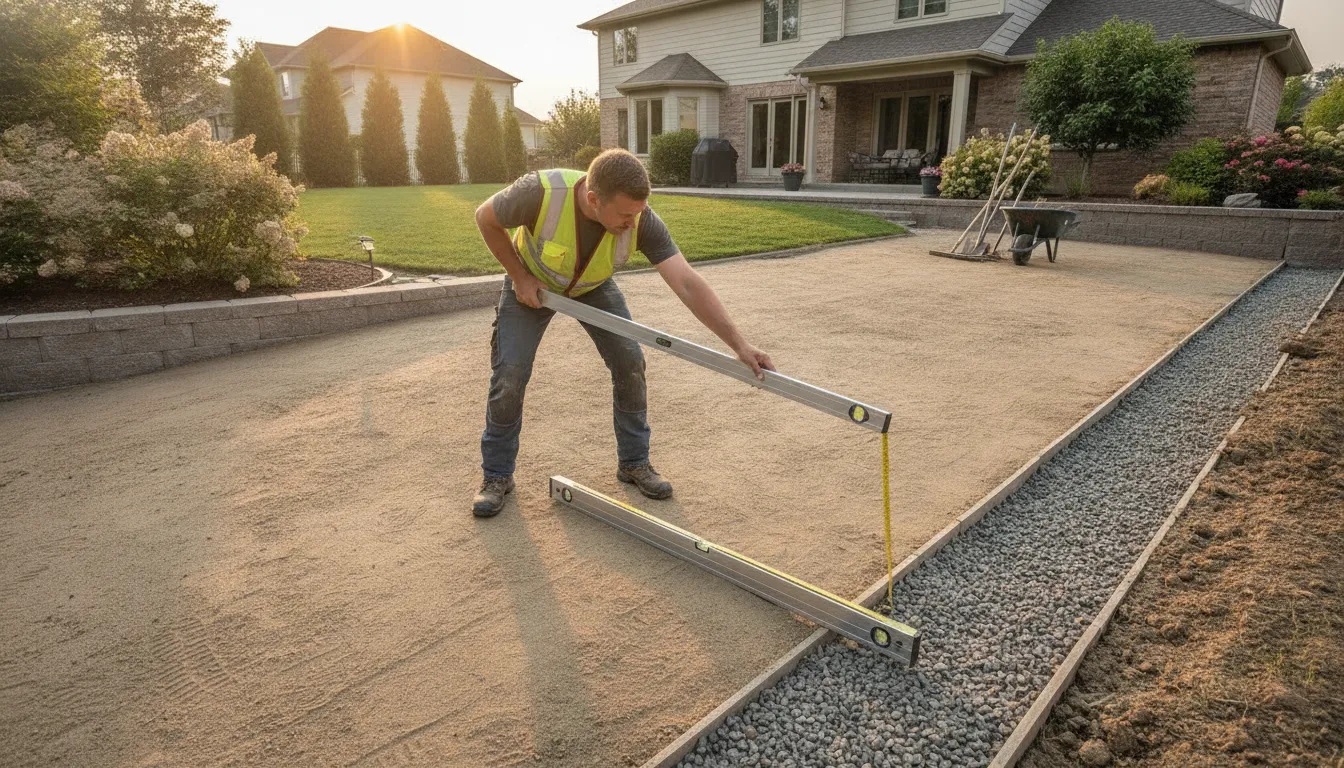
An experienced crew evaluates the existing elevations, nearby structures, soil conditions, and the planned paver surface. The goal is not simply to make the area look level. The goal is to establish a controlled slope that supports efficient water movement while maintaining a practical, comfortable surface for people and vehicles.
A pavers contractor can use precision tools to verify the drainage slope during grading. These measurements help the team identify high and low areas before excavation and base preparation are complete. Correcting those issues early is far more effective than trying to compensate after the pavers have been installed.
Why Does Grading Protect the Entire Paver System?
Grading works as part of a larger installation system. Once the slope is established, the crew can prepare the base at the correct depth and build the finished surface to follow the intended drainage plan. Each layer then supports the next, rather than fighting water movement or uneven elevations.
This is why professional grading protects more than the visible surface. It helps protect the base, limits ponding near the home, and supports the structure behind the paver work. A skilled team treats drainage as a design and construction requirement from the beginning, not as a correction after problems appear.
How Do Professionals Prepare the Base Before Pavers Go Down?
The base is the working foundation beneath a paver surface. It carries daily loads, supports the finished pattern, and helps the installation resist movement over time. A skilled crew does not treat this stage as a quick layer of gravel. Each step builds the structural capacity needed for a stable, level surface.
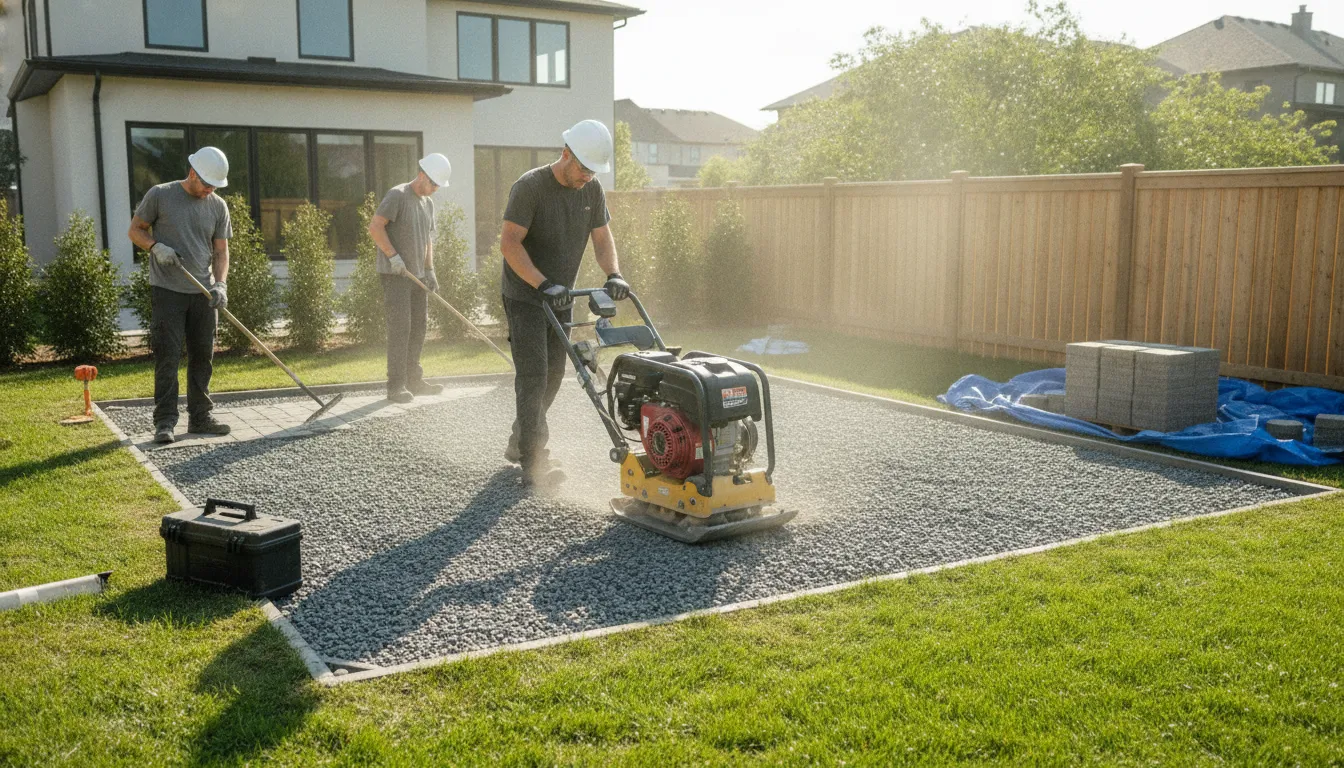
Preparation begins with excavation. The crew removes unsuitable soil, organic material, and loose fill to create room for the base system. The required depth depends on the site, the soil, drainage conditions, and the expected traffic. A walkway, patio, and driveway may require different base designs. Experienced contractors assess the subgrade before choosing the material composition and thickness.
Excavation creates room for the right structure
Excavation is more than lowering the surface to a convenient depth. The finished installation needs enough space for the compacted base, bedding layer, and pavers. If the excavation is too shallow, the system may lack the support needed for its intended use. If the subgrade contains weak or unstable areas, those conditions must be addressed before the next layer is installed.
After excavation, the subgrade is shaped and compacted. This step matters because the subgrade and base-layer compaction largely determine the structural capacity of the pavement system. A strong-looking surface can still settle if the material underneath remains loose or uneven.
Base material is placed and compacted in controlled layers
Crews place the selected aggregate base in layers rather than spreading one deep, uncompacted mass. Each layer is compacted before the next one is added. This process reduces voids, improves support, and creates a consistent platform for the bedding sand and pavers.
Proper compaction also helps the installation resist environmental stress. A well-compacted base can reduce the risk of frost heave and localized sinking where changing ground conditions would otherwise push or drop portions of the surface. The exact approach should reflect the site's soil conditions instead of following one fixed depth for every project.
This is why the base is the real strength of a paver installation. Pavers provide the visible finish, but the prepared layers below help stop shifting and settling. When the foundation is designed and compacted correctly, the surface can perform as one supported system instead of a collection of individual units.
A professional crew uses suitable equipment to compact the subgrade and aggregate evenly. The team then checks the prepared base before moving forward. That verification protects the later installation work, because correcting a weak foundation after pavers are placed is slower and more disruptive.
What Does Professional Paver Installation Look Like in Practice?
A skilled crew follows a deliberate sequence rather than placing pavers directly on exposed soil. Each stage supports the next, from preparing the excavation to securing the finished surface. The goal is a level, stable installation that handles normal use without premature movement.
After excavation, the crew establishes the planned elevations and prepares the underlying surface. Specialized excavation equipment helps remove unsuitable material and create the required depth. Compaction equipment then consolidates the subgrade and base materials. This preparation gives the installation a dependable structural foundation.
The crew next spreads a bedding sand layer across the prepared base. This layer provides a uniform setting surface, allowing each paver to reach a consistent elevation. It is not a substitute for a properly built base. Instead, it helps fine-tune the final level while supporting accurate placement.
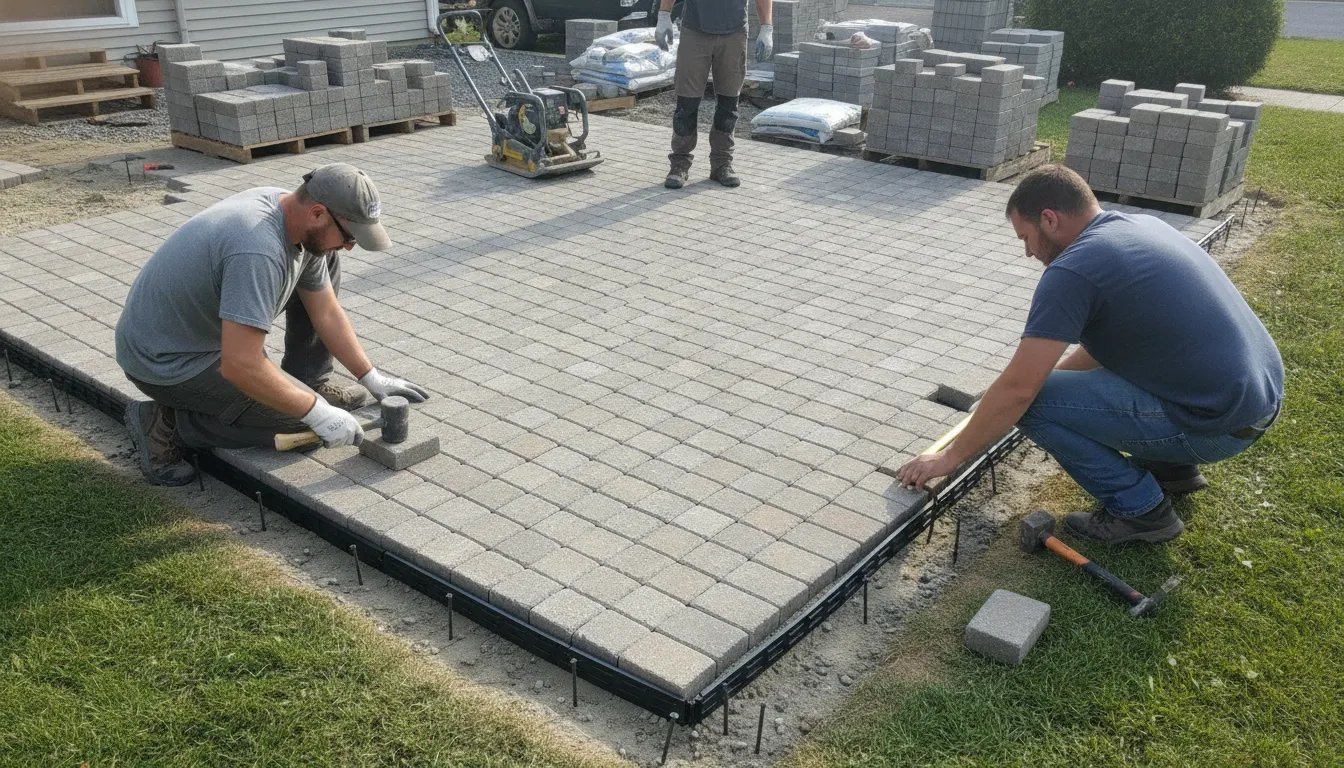
Workers place the pavers according to the approved pattern, checking alignment as the surface develops. They maintain consistent joints and watch transitions around steps, structures, and other hardscape features. A professional crew also uses precision paver cutting equipment for edges, curves, and openings. Accurate cuts create a cleaner finish and reduce weak, irregular sections.
Why do edge restraints matter?
Edge restraints hold the paver system together and help prevent outward movement. Without secure restraints, the edges can spread, joints can widen, and the surface can eventually fail. Missing edge restraints are a leading cause of paver walkway and driveway failure. A skilled installer treats the perimeter as a structural part of the project, not an optional finishing detail.
Once the units and perimeter are in place, the crew spreads joint sand across the surface. The sand fills the spaces between pavers and locks the units together. Proper joint sanding improves stability across the entire paved area. The crew then uses compaction equipment to settle the sand into the joints and checks the finished surface for movement, uneven areas, and clean transitions.
For a closer look at the sequence, review this brick paver installation guide. The visible pavers are only the final layer. Consistent results depend on the less visible work beneath them, careful cutting at the boundaries, and restraints that keep the completed system intact.
Why Do Driveways Need a Professional Pavers Contractor?
Driveways face demands that patios and walkways may not. Every day, they support vehicles, turning movements, braking forces, and repeated traffic across the paved surface. That load makes installation quality a structural concern, not simply a matter of appearance.
A professional pavers contractor evaluates the driveway's expected use before selecting materials or setting the first paver. The right system for occasional passenger-vehicle traffic may differ from one designed for multiple vehicles, larger trucks, or frequent deliveries. Matching pavers to traffic volume helps the finished driveway perform as intended.

How does professional installation prevent early driveway failure?
Heavy loads expose weak preparation quickly. If the base is inadequate, pavers can settle, shift, or develop uneven areas under vehicle pressure. Those problems often begin below the visible surface, where repairs require lifting sections and correcting the underlying support.
For load-bearing surfaces such as driveways, professional installation is essential to help prevent early failure. The work includes preparing a stable foundation and building the paving system for the site's anticipated traffic. Careful planning also reduces the risk of choosing a surface material that cannot handle the driveway's daily demands.
With the correct base and professional installation, high-quality paver systems can last more than 30 years. Longevity depends on the complete system, including the soil conditions, base design, material selection, and installation methods. A durable driveway begins with decisions made before the pavers arrive.
What makes pavers a strong alternative to concrete or asphalt?
Pavers give homeowners a durable and aesthetic alternative to plain concrete or asphalt. Their modular format supports patterns, borders, colors, and textures that can complement the home's architecture and surrounding landscape.
That design flexibility does not replace performance. A well-planned driveway must combine visual character with a foundation suited to vehicle loads. Professional material guidance helps balance the appearance homeowners want with the durability the site requires.
Stage | With a professional pavers contractor | When the installation is rushed |
Grading | Slope set to move water away from the home | Pavers may sit in a low spot that collects water |
Base preparation | Excavation and compaction matched to the soil and traffic load | Thin or loose base that settles and shifts over time |
Installation | Consistent joints, accurate cuts, and secure edge restraints | Widening joints and edges that spread under use |
Finishing | Joint sand locks the units into one stable surface | Loose units that move out of alignment |
Expected life | High-quality systems built on a correct base can last 30+ years | Premature cracks, ponding, and uneven areas |
Explore the driveway paver installation process to see how planning, preparation, and placement work together. The goal is a driveway that adds visual appeal while providing a dependable surface for daily use.
Why should material selection account for traffic volume?
Driveway materials should be matched to how the surface will be used. A professional reviews anticipated traffic volume and selects driveway-rated pavers or other suitable materials for those conditions.
This approach avoids treating every project as identical. The driveway's width, vehicle types, turning areas, soil, and design goals all influence the recommended system. An experienced contractor can coordinate those considerations into one installation plan.
The result is more than an attractive entrance. It is a purpose-built surface designed to carry its expected loads, maintain its appearance, and support the property's long-term function.
What Else Does a Full-Service Pavers Contractor Handle?
The visible pavers are only one part of a successful project. A full-service pavers contractor coordinates the decisions and responsibilities that keep the work moving from the first design conversation through completion.
That wrap-around service often begins with permits and code compliance. The contractor reviews the project scope, identifies applicable municipal requirements, and handles permit coordination when permits are required. This helps align the planned work with local standards before construction begins, rather than discovering a compliance issue after materials arrive.
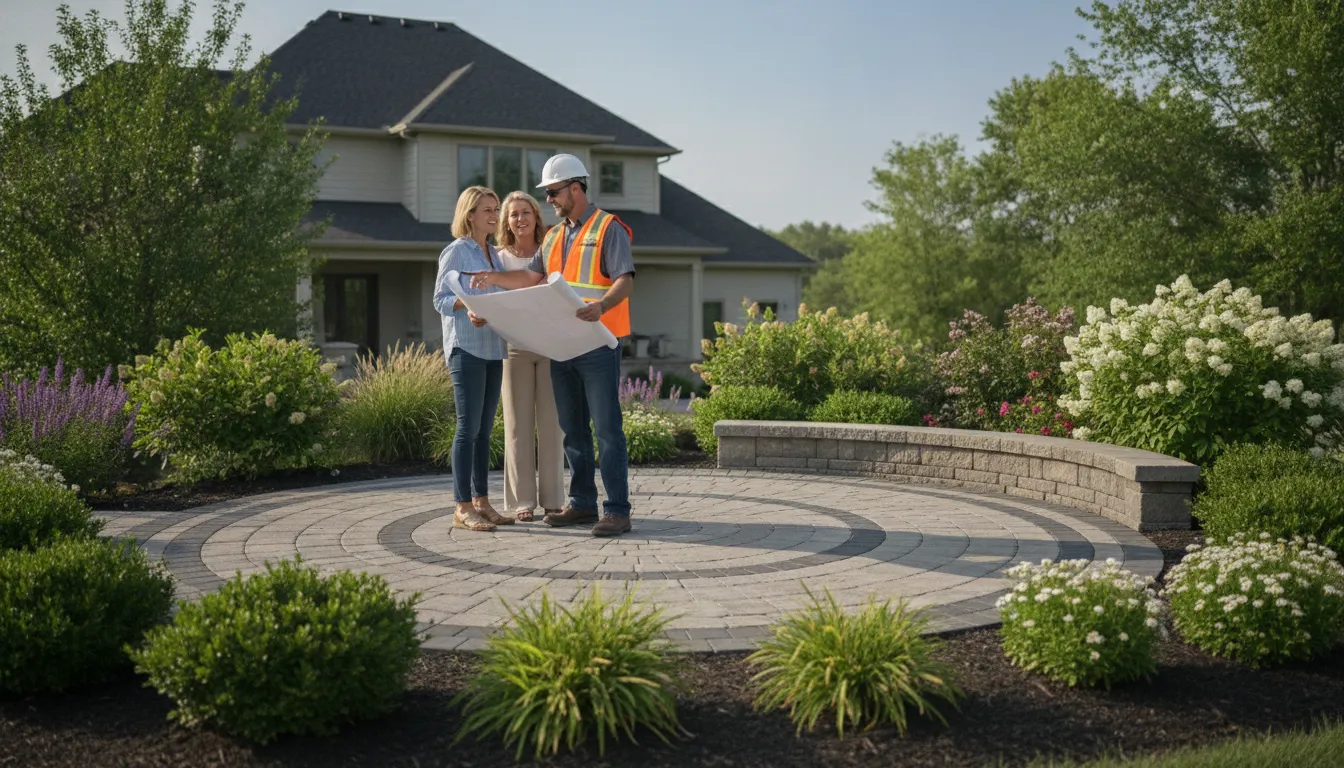
Coordination matters just as much during construction. A design-build team can connect the layout, material selection, site preparation, installation schedule, and finishing details within one plan. Homeowners have one accountable team to communicate with instead of managing separate designers, permit contacts, material suppliers, and installers. Clear communication also makes it easier to address site conditions or design decisions before they affect the finished surface.
How Does Design-Build Planning Support Long-Term Performance?
Design-build planning connects appearance with the conditions beneath and around the pavers. Experienced professionals can account for local soil and climate conditions when developing the system. That may influence drainage decisions, base preparation, material selection, and the details needed for a stable installation.
This approach gives the project one accountable team from planning through completion. It also supports a more unified result, because the people responsible for the design understand how the construction will execute it. Homeowners considering their options can review how to choose the right paver contractor before comparing proposals.
Final site cleanup is another part of professional project management. Once construction is complete, the contractor removes installation debris and leaves the project area clean and ready to use. The result is not simply a new paved surface, but a coordinated improvement with fewer loose ends for the homeowner.
Call (855) 202-2015 to discuss your project with LevelWorks Construct & Renovate.
Frequently Asked Questions
What does a pavers contractor do?
A pavers contractor manages the installation from site preparation through finishing. The work can include evaluating soil conditions, grading for drainage, excavating, preparing and compacting the base, setting bedding sand, placing pavers, installing edge restraints, and adding joint sand. A professional also coordinates material selection and project details so the finished surface suits its intended use.
Why hire a professional pavers contractor?
Professional installation addresses the structural work that is easy to overlook. Correct base depth, compaction, drainage, and edge restraint placement help reduce shifting, settling, ponding, and premature failure. An experienced contractor can also identify site conditions that affect the installation and deliver a consistent finish with specialized tools.
How much does a pavers contractor cost?
Project cost depends on the scope rather than one standard rate. Key variables include the surface area, excavation and grading requirements, soil conditions, paver material, pattern, access to the site, drainage needs, and whether permits or demolition are required. A useful proposal should explain the preparation, materials, installation steps, and finishing work included in the project.
Do I need a contractor for driveway pavers?
Driveways carry vehicle loads, so their base design and compaction require more careful planning than many light-use surfaces. A contractor can match the base and paver selection to expected traffic, establish reliable drainage, and install restraints that help keep the system stable. Professional preparation is especially important when the existing soil is weak, uneven, or poorly drained.
Ready to Plan Your Paver Project?
A thoughtful consultation can help you understand the right approach for grading, base preparation, installation, and finishing before work begins. Every project starts with site conditions, expected use, and the goals you have for the space. Discussing those details early makes it easier to build a surface that performs well and looks right for your home.
Call (855) 202-2015 to speak with LevelWorks Construct & Renovate about the scope, site conditions, and timeline for your patio, walkway, or driveway. Sharing measurements, photos, and your ideas helps the conversation focus on a clear path forward. A well-built paver project is the result of planning, preparation, and craftsmanship working together.