Remodel Contingency Planning: How to Budget Without Guessing

Updated: 7 days ago
Homeowners in Los Angeles often face unexpected costs when remodeling older houses with hidden home issues. These surprise expenses can quickly drain your bank account if you do not have a backup fund. Precise remodel contingency planning ensures that you stay in control of your spending from start to finish.
Ready to protect your remodel budget? Schedule your free consultation and design discussion with LevelWorks today.
Before you start your home project, you must know what this fund is and why it helps you stay on budget. You may wonder exactly what this term means for your own project. To understand how to protect your money, you first need to know: What Is a Remodel Contingency Budget? The path begins with
Remodel Contingency Planning: What Is a Remodel Contingency Budget?
Remodel contingency planning means setting aside a reserve fund to cover surprise costs that arise during a home renovation or new construction project. This buffer lets you handle hidden issues, code updates, or design changes without stopping your project or exceeding your planned budget.
A remodel contingency budget is a separate fund for costs that are not part of your main contract. It acts as a safety net for things that come up after work starts. You do not spend this money on the base project price. Instead, you keep it ready for surprises that the team finds once they open up walls or floors. By planning for unexpected renovation costs throughout your Los Angeles home renovation, you can keep your project on track without any stress.
Estimates vs. Quotes
In the early stages of a project, you may get a budget opinion. This is a rough guess of what the work will cost while you are still in the planning phase. It helps you decide if a project fits your goals. Once the design is set and construction papers are ready, you get a final quote. This quote is the official cost breakdown for the job. It lists the exact tasks and items that the project covers from start to finish. LevelWorks offers free quotes that stay valid for six months, giving you time to make confident decisions.
Why Planning Matters
The best way to keep a project on budget is to have a clear plan from the start. Detailed documentation helps the team find risks before they start the work. When you have a solid scope, you reduce the unknowns that lead to high costs. A clear project scope lets you set a smaller buffer. This way, you can focus your funds on the high-quality materials and design choices that matter most. Our full-service contracting team in Los Angeles works with you to define every detail before construction begins.
Managing Change Orders
A change order happens when you add or remove work from the first plan. This might change the total price or the date the project ends. It is not the same as using your contingency for a surprise repair. Instead, it is a way to update the contract when you choose to change the design or scope. Keeping these two things separate helps you track where your money goes. It also ensures your project stays aligned with your first vision and goals.
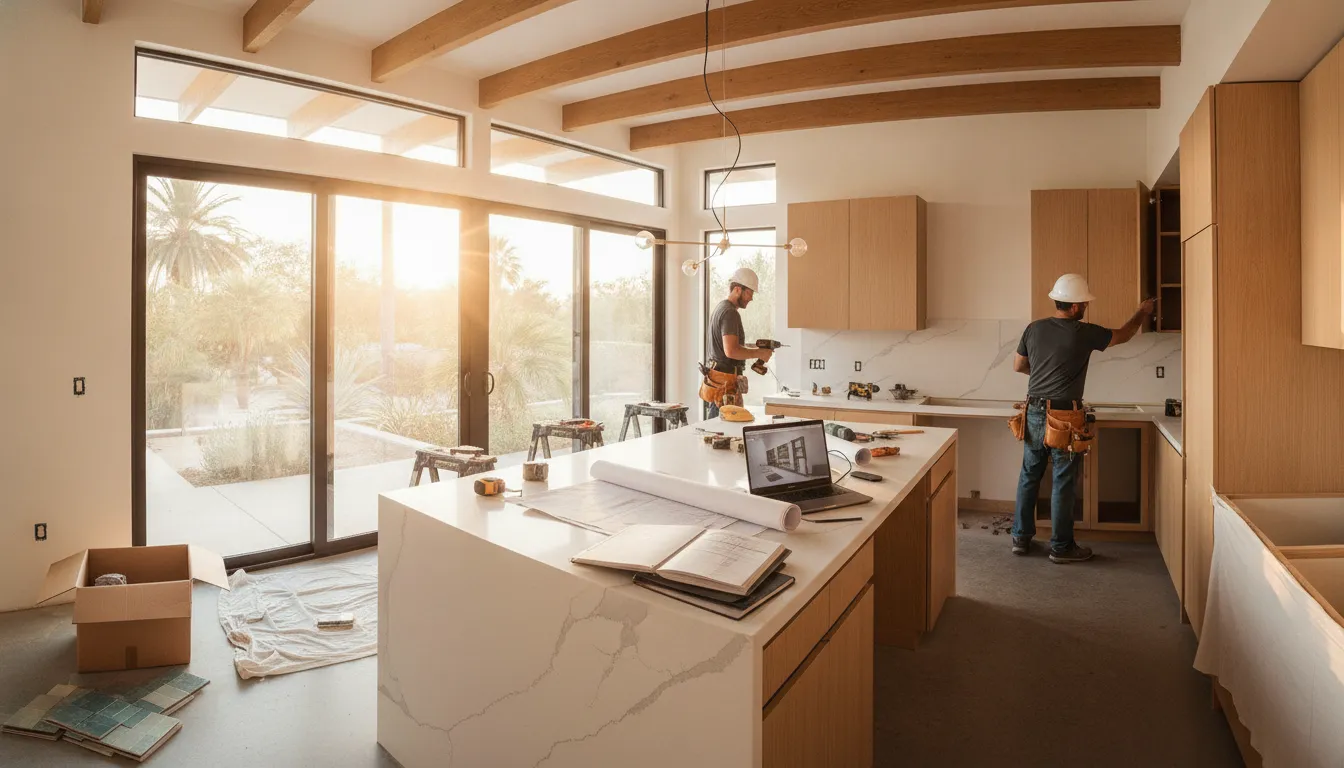
How Much Should You Set Aside for a Remodel Contingency?
Setting a budget for a home project can feel like a big task. You want to know the final price before the first wall comes down. But in home construction, surprises are common. That is why you need a contingency fund. This is extra money set aside just for hidden costs. Proper remodel contingency planning helps you finish your project without stress.
Common contingency ranges
Most experts suggest you save 10 to 15 percent of your total project cost for extras. This range covers many common risks. If your home is more than 30 years old, you should aim for the higher end of that scale. Older homes often have outdated wiring or plumbing that does not meet modern codes. You might also find mold or water damage once you open a wall. By having 15 percent ready, you can pay for these fixes without taking out a new loan.
Factors like the size of your home and the state of the local market also matter. In areas like Los Angeles, permit fees and labor costs can vary. A 15 percent buffer gives you the freedom to make choices during the build. You might decide to upgrade a tile or a light fixture once you see the room taking shape. Having this fund means you do not have to give up quality to fix a hidden issue. If you are planning a kitchen remodel in Los Angeles, understanding your local cost landscape helps you set the right contingency percentage.
The design-build model benefit
Not every project needs a large safety net. Some homeowners who work with a design-build firm set aside as little as 5 percent. This is because the design-build model brings the architect and the builder together early. They work as one team to find problems in the design phase, not the build phase. This leads to a more accurate plan and fewer surprises. It also helps avoid change orders, which are updates to the work plan that can raise your costs or delay the job.
The design-build team acts as your single point of contact. This clear way of working means everyone is on the same page from day one. You do not have to worry about a builder and a designer giving you different costs. This unity is why many design-build projects stay closer to the first plan. It gives you more peace of mind as you start your remodel. If you are planning a whole-home remodel in Los Angeles, a design-build approach can reduce the contingency you need to carry.
Managing your project budget
When you start, you might have a rough idea of what you want to spend. This is often called a budget opinion. It is a good starting point, but it is not a final price. As you move forward, your team will create a firm quote. This quote uses the final design and a full list of parts. Always wait for this final quote before you buy your parts. This ensures you know exactly how much money is left for your contingency fund.
At LevelWorks, we want your project to be as smooth as possible. We provide design support with dedicated project management and handle all the permits for you. We also offer quotes that are valid for six months. This gives you time to plan your money without the fear of costs going up. Our project managers work closely with you to keep the job on budget. By planning ahead and choosing the right team, you can manage your remodel contingency with confidence.
What Factors Influence Your Remodel Contingency?
Every home project is unique. The amount you should set aside depends on the details of your house and your plans. By looking at a few key areas, you can do better budgeting for remodeling contingencies for your specific situation and avoid stress later. Your home's age, the type of room you fix, and how you plan all play a big part.
The age of your home
Older houses often hide secrets behind their walls. If your home was built between 1950 and 1990, you might face old wiring or pipes. These issues often show up once the work starts. For these homes, a 10% to 12% fund is a smart move. Modern homes usually have fewer surprises, but you should still have a small buffer for peace of mind.
If your house is very old, you may need more money to meet new safety rules. You might find lead paint or old frames that need to be replaced. Fixing these things keeps your family safe and ensures your home stays strong for years. A larger fund helps you handle these costs without stopping the project. A bathroom renovation in an older Los Angeles home often reveals plumbing issues that require contingency funds.
The type of work you plan
Simple style updates carry less risk than big changes to the structure. If you just want new paint and floors, your costs are easy to track. But if you add a new room or change your roof, you must join new parts to the old house. These joins can reveal many unknowns in your base or frame. Experts suggest a 15% fund for projects that change how your home stands.
Kitchen and bath projects also have more risks than living rooms. These areas have complex water and power lines. When we open the walls, we might find leaks or old lines that do not meet code. Having a plan for these costs helps cover change orders, which are shifts in the work that can change your final cost. A complete bathroom renovation typically requires a higher contingency reserve due to the complexity of plumbing and electrical systems.
How deep planning helps
A full check before work starts can help you pick the right fund size. At LevelWorks, our team looks for hidden issues early in the design phase. We handle the permits and write out every detail to give you a clear view of the work. This deep look helps find problems before they become big costs. It makes your remodel planning much safer and keeps your project on track.
Our design-build model focuses on clear project management and open talk. We want you to feel sure about your budget from the start. By doing the hard work early, we can reduce the chance of surprise costs. This lets you focus on the fun parts of home design while we handle the technical side. Whether you are adding a room addition or an ADU in Los Angeles, early planning reduces the contingency you need to hold back.
Contingencies vs. Change Orders: What's the Difference?
Many people use the terms contingency and change order to mean the same thing. But in the building world, they have very different roles. A remodel contingency planning plan uses a reserve fund to cover items that are not yet seen. A change order is a formal update to your project scope. Knowing how each one works helps you stay in control of your money. It also keeps your project moving without stops.
Why you need a contingency fund
A contingency fund is a reserve of cash. You set it aside before the work starts. This money pays for unknown problems that sit within the current project scope. For example, a crew might find old pipes that leak once they open a wall. The contingency fund pays to fix those pipes. This keeps the job on track without needing a new contract. Smart budgeting for remodeling contingencies helps you stay calm when surprises pop up behind the scenes.
LevelWorks often uses a budget opinion in the early stages to show you a rough cost. As we finish the plans, we give you a final quote. This quote includes the contingency fund as a safety net. This fund is not for new ideas. It is only for hidden issues that the team finds during the build. Having this money ready means you do not have to stop the job to find more cash.
When to use a change order
A change order is different because it changes the contract itself. It adds or removes work from the first plan. Based on Colorado State University, a change order is a formal tool that alters the first contract amount or the end date. You use this when you make a new choice. If you decide to add a kitchen island that was not in the plans, you will sign a change order. It is a clear way to track how your choices impact the final price.
Change orders can also happen if a product you wanted is no longer for sale. You and your project manager will agree on a new item and its cost. This keeps the paperwork clean and fair for both sides. While a contingency is for things you did not expect, a change order is for things you decide to change as you go. Both are tools to keep your project clear and honest.
Key differences for your budget
Good planning is the best way to lower both of these costs. When you have a full set of plans and clear lists, you see fewer surprises. This means your contingency fund stays small. It also means you are less likely to change your mind mid-build. The table below shows how these two tools compare side by side.
Feature | Contingency Fund | Change Order |
Primary Purpose | Reserve for hidden issues. | Formal change to scope. |
When It Is Set | During initial planning. | During the building phase. |
Who Controls It | Owner and contractor. | Owner's new request. |
Funding Source | Pre-planned budget reserve. | New addition to contract. |
Typical Use | Hidden dry rot or leaks. | Upgrading to better tile. |
Planning for a remodel in Greater Los Angeles means being ready for anything. Our mild climate lets us work all year. But older homes often hide secrets. By using both tools correctly, you can finish your home with a smile and a solid budget.
How the Design-Build Approach Minimizes Remodel Surprises
Remodel contingency planning works best when you reduce unknowns early. In a standard model, a designer makes plans and then several builders bid on them. This often leads to price gaps because the builder was not involved during the design phase. A design-build model is different. One team handles your project from the first sketch to the final coat of paint.
Integrated planning and accurate costs
When designers and builders work on the same team, they talk to each other daily. This team effort helps find hidden issues in your home before any tools touch the walls. A full-service general contractor in Los Angeles can use this joined-up approach to create more precise price lists. This means you have fewer surprises once the work starts.
By checking the structure and systems of your house early, the team can plan for real site conditions. This level of detail helps keep the project on track. According to research from Noble Renovation, detailed planning and clear scope help most projects finish within 3% of the original price. This makes it easier for you to manage your money.
Fewer change orders and delays
In many projects, a change order happens when a builder finds something the designer missed. These changes can raise costs and slow down the job. In the design-build model, the same team is responsible for both. This leads to better plans and fewer errors. You spend less time worrying about new costs and more time watching your home improve.
Design-build firms also handle tasks like permit support and material orders. This full service keeps the timeline steady. Because the team knows the local rules in Los Angeles and Orange County, they can spot permit issues early. This proactive work is one reason why established firms often suggest a smaller remodel contingency of about 5% for their clients.
Long term price protection
Budgeting for a remodel takes time and careful thought. Many builders give quotes that expire in a few weeks. This can be stressful if you are still making design choices. LevelWorks provides estimates that stay valid for six months. This gives you plenty of time to review your plans and finalize your budget without the fear of sudden price hikes.
A dedicated project manager will guide you through every step of the build. They keep you updated on the schedule and any small shifts in the work. This clear talk builds trust and ensures your project meets your goals. With a single point of contact, you always know who to call if you have a question about your home renovation. Learn more about how LevelWorks manages projects to keep your renovation on time and on budget.
How to Plan Your Remodel Contingency in 4 Practical Steps
Planning for a big home project takes more than just picking out tile and paint. You must also prepare for surprises that hide behind old walls or under floorboards. Good budgeting for remodeling contingencies starts with a clear plan to manage these unknowns. By following a set of steps, you can protect your savings and keep your work on track without extra stress.
Define your project scope
The first step to a firm budget is a clear project scope. A good builder will write down every part of the work before the first hammer swings. When you have a full plan, you have fewer unknowns that lead to high costs. Full planning and clear notes are the best ways to lower the risk of surprise costs according to Capozzi Design Build. At LevelWorks, we handle all permits and plans to ensure your scope is firm from the start.
Build a solid base budget
Your base budget should show real trade prices and clear specs rather than vague guesses. It helps to know the gap between an early cost opinion and a final quote based on full plans. According to Colorado State University, a budget opinion is a rough tool for early planning, while a quote gives the final cost. Using real price data for labor and goods in Los Angeles helps ensure your base numbers are solid before you add a safety net. Get a free estimate for your project to start building an accurate base budget.
Size your safety net
Once you have a base budget, you need to decide how much extra to set aside. This sum often depends on how old your home is and the type of work you do. While many pros suggest a range of 10 to 15 percent, your own risk factors matter most. For example, old homes or complex room additions often need a bigger buffer because they show more hidden issues. You should use the 10-15% framework as a guide but change it based on your home.
Pick your materials early
Vague price guesses for things like lights or floors can lead to budget gaps later. To avoid this, you should pick your exact goods before work begins. When you choose your items early, you lock in the price and avoid the need for costly changes during the build. This careful plan helps prevent the need for change orders, which are scope updates that can shift your total cost or your project timeline.
- Write down the scope:
Work with your builder to create a full list of every task and part included in the work.
- Get real prices:
Use clear quotes from local trades to build a base budget that shows current market costs in your area.
- Check the risk:
Look at your home age and project type to set a safety fund that fits your specific needs.
- Lock in choices:
Pick all your parts and finishes early to replace cost guesses with real prices.
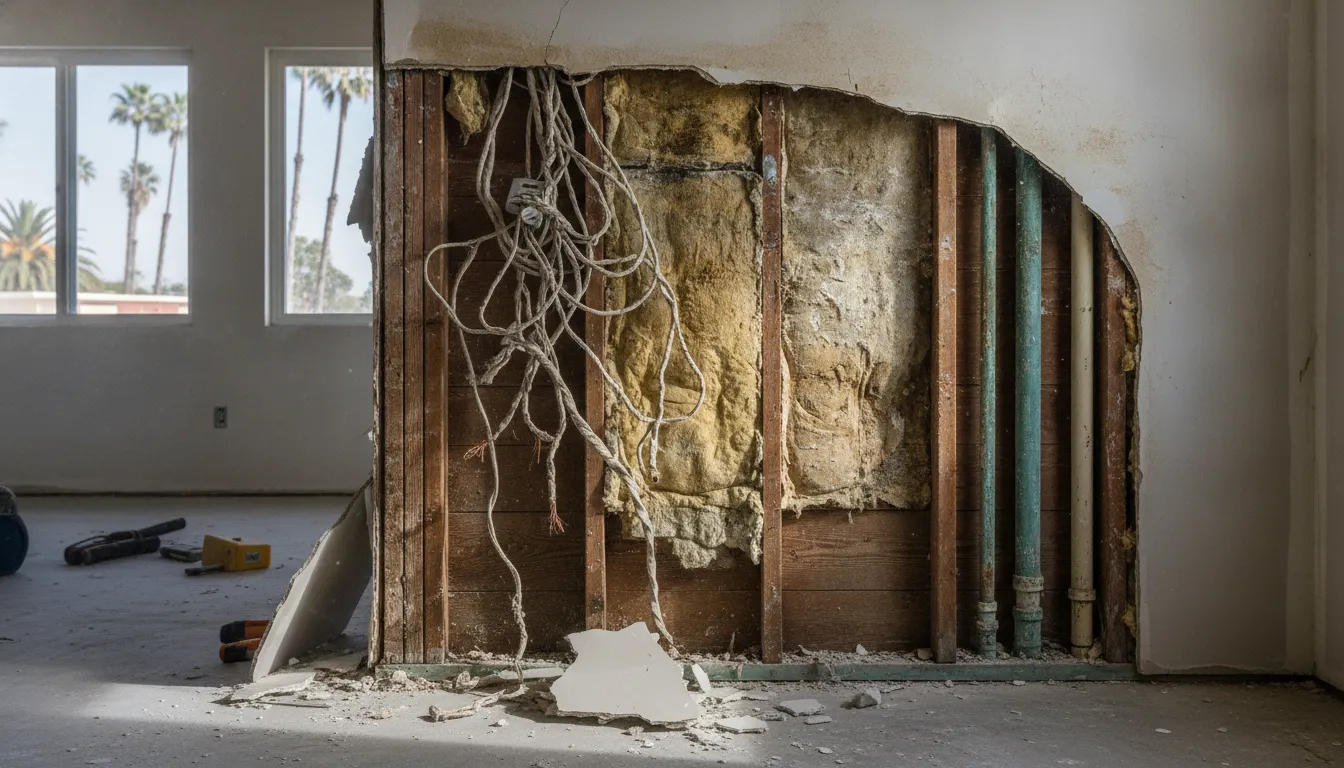
Common Hidden Costs That Can Trigger Your Remodel Contingency
Remodel contingency planning is more than just picking a number. It is about being ready for the hidden costs that hide behind your walls and floors. During the start of your project, we often provide a budget opinion to give you a rough idea of costs. These surprises are the main reason why we set aside a reserve fund once the final quote is set.
Structural Surprises in Older Homes
Older homes in Los Angeles and Orange County often hide issues behind their walls. Once we open the drywall during a renovation, we may find dry rot that has weakened the wood frame. Termite damage can also show up in older homes, especially in areas with moisture problems. These issues must be fixed before we can move forward with the planned work. A well-planned contingency fund ensures these repairs do not delay your project or force you to compromise on quality.
Outdated Electrical and Plumbing
Homes built before modern codes often have wiring and pipes that do not meet current safety standards. Old knob-and-tube wiring is a common find in pre-1950s homes and must be replaced for insurance compliance. Galvanized steel pipes can corrode over time, reducing water pressure and risking leaks. Bringing these systems up to code is non-negotiable. Having contingency funds ready means these necessary upgrades do not become budget emergencies. A full bathroom renovation often reveals plumbing that needs updating to meet current Los Angeles building codes.
Permit and Code Compliance Costs
Permit fees in Los Angeles can vary based on the scope of your project. If your renovation uncovers structural issues, you may need additional permits and inspections. This can add several hundred to several thousand dollars to your total cost. A good contractor will handle the permit process for you and keep you informed of any changes. LevelWorks includes permit handling as part of our full-service remodeling approach, so you do not have to worry about navigating city requirements alone.
Material Availability and Price Changes
Supply chain issues can affect the cost and availability of materials. A tile or fixture you selected may be out of stock when your project reaches that phase. This can force you to choose a substitute, which may cost more or require different installation methods. Ordering materials early and working with a contractor who has established supplier relationships helps reduce this risk. During a kitchen renovation in Los Angeles, early material selection is especially important to avoid costly last-minute substitutions.
Frequently Asked Questions
What is a typical remodel contingency percentage?
Most contractors recommend setting aside 10 to 15 percent of your total project budget for unexpected costs. The exact percentage depends on your home's age, the complexity of the work, and how early in the process you finalize your design. Older homes and more complex renovations typically require a higher percentage. Working with a design-build firm can reduce this amount because the team identifies issues during the planning phase rather than during construction.
Can I use my contingency fund for upgrades I decide to add later?
No. A contingency fund is specifically for unexpected issues that arise during construction, such as hidden water damage, outdated wiring, or structural problems. If you decide to upgrade to premium materials or add new features after the project starts, those changes should be handled through a formal change order. Keeping these two funds separate helps you track your spending and ensures you have the reserve you need for true emergencies.
What happens if I do not use my full contingency fund?
Any unused portion of your contingency fund is yours to keep. Some homeowners apply it toward additional finishes or upgrades at the end of the project. Others keep it as savings. The key benefit is knowing you had a safety net that gave you peace of mind throughout the construction process. A well-managed project with thorough upfront planning is more likely to leave contingency funds unused.
Does LevelWorks help with remodel contingency planning?
Yes. LevelWorks includes contingency planning as part of our free consultation and design process. Our project managers work with you to assess your specific risk factors and recommend an appropriate reserve. We also handle all permit applications and provide detailed quotes that are valid for six months. This gives you time to plan your finances with confidence. Schedule your free estimate and design consultation today to start planning your project with clarity.
Ready to start planning your home remodel budget?
Planning a home remodel in Los Angeles or Orange County requires careful budgeting for the expected and the unexpected. A solid contingency plan protects your investment and keeps your project moving even when surprises arise. At LevelWorks, we bring over a decade of local experience to every project, with 100+ completed renovations across Southern California.
Our design-build approach means we identify potential issues during the planning phase, not after construction starts. We handle all permits, provide dedicated project managers, and offer quotes that stay valid for six months. Whether you are planning a kitchen renovation, bathroom remodel, room addition, or whole-home transformation, we help you build a realistic budget that includes smart remodel contingency planning.
Call us at (310) 382-1001 or schedule your free consultation online. Let us help you plan a renovation that stays on budget from start to finish.